 So some of you may remember me mentioning in a previous post that Holga had finally brought out both Nikon and Canon mount versions of their lens. I ordered mine from HolgaDirect as soon as I heard the news, and 10 days later it arrived in the post.
Made of cheap plastic, it looks like it has been fashioned from an old detergent bottle top, but then that’s the charm of the Holga line up and similar Toy camera systems. Once attached to the camera body (rather loosely), operating this lens is quite simple. Depending on your camera you will either have to switch to manual ( as I have to) or if you’re lucky Aperture Priority, which will allow you to use the cameras light meter. Usually the light meter will only work if you’re using either a Canon model or pro spec Nikon bodies. On my camera however the light meter will not work, meaning that I have to sort everything out by taking a couple of test shots and checking the histogram. You could also use a hand held light-meter. Doing a little research on various Holga sites I found that the shutter speed on their film cameras is set to about 1/100th sec with a number of folks using iso 400 film, so I thought that this would be a good place to start, and indeed it was. This is based on taking shots during a normal bright day. At this point it is also a good idea to familiarize yourself with the Sunny 16 rule. Focus is achieved by rotating the lens, which has a range of roughly 3ft to infinity with four symbols depicting various distances in-between.
One thing that differs using a Holga lens on an SLR is that you are actually looking through the lens (an obvious point I know), but this isn’t the case on a traditional Holga as it has a viewfinder separate to the lens, like your old point and shoot. The lens is supposedly a fixed F8 meaning that it is very dark when you’re looking through the viewfinder and can be a bit of a challenge, especially in lower light. I just see this as even more a part of the fun of using this lens.
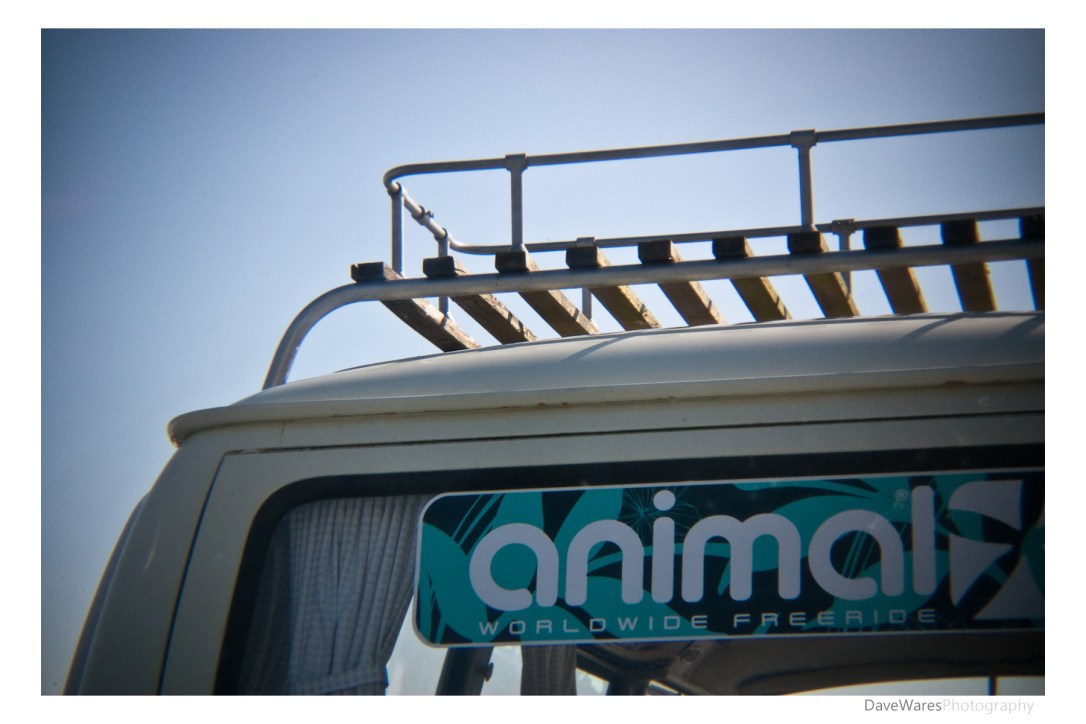
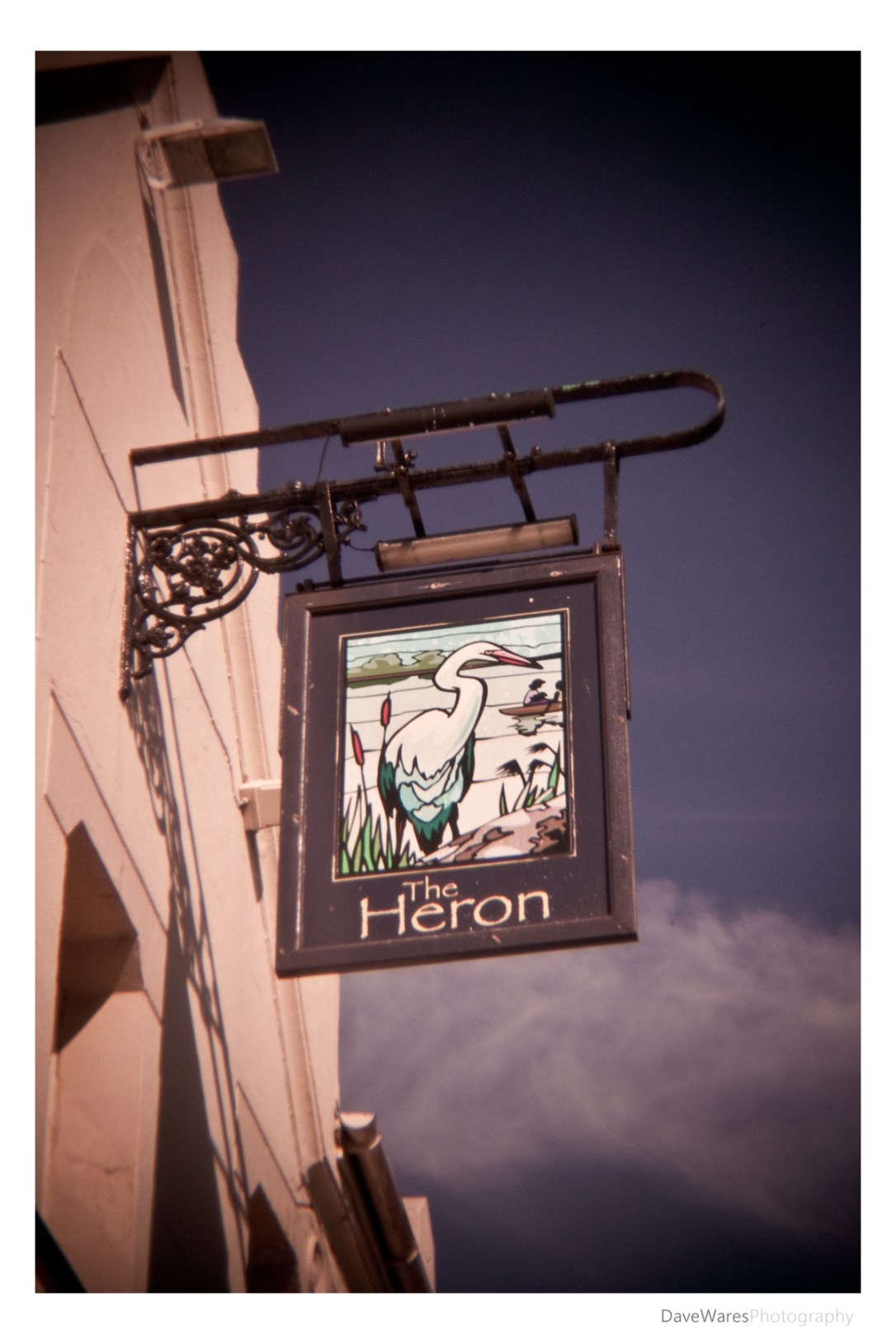
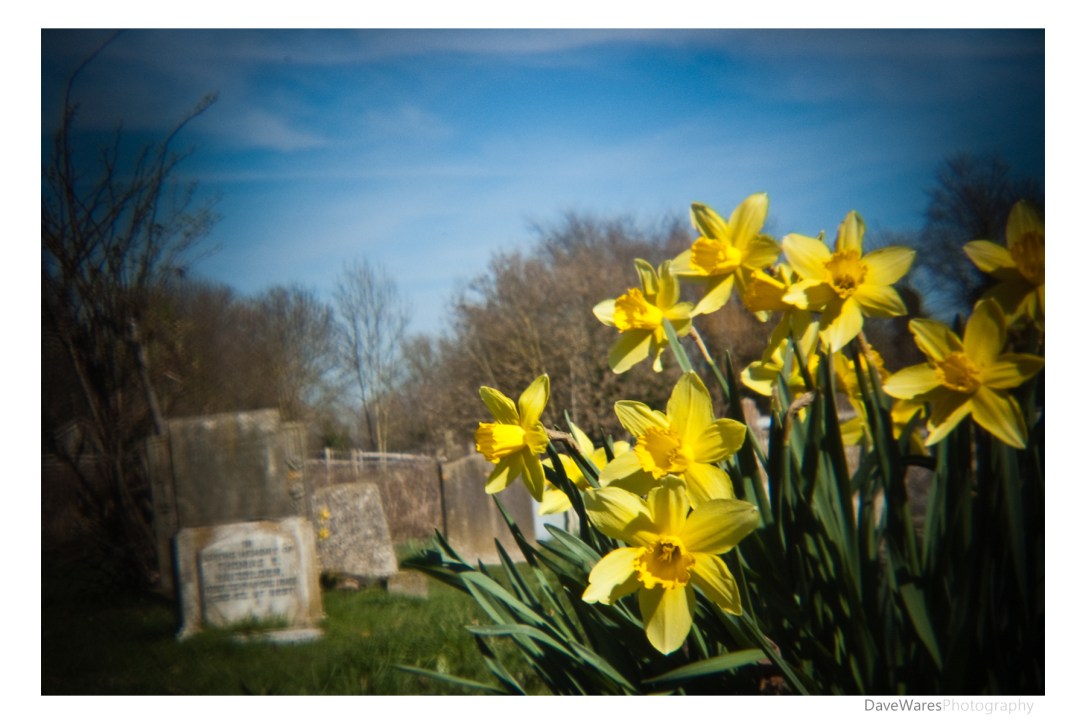
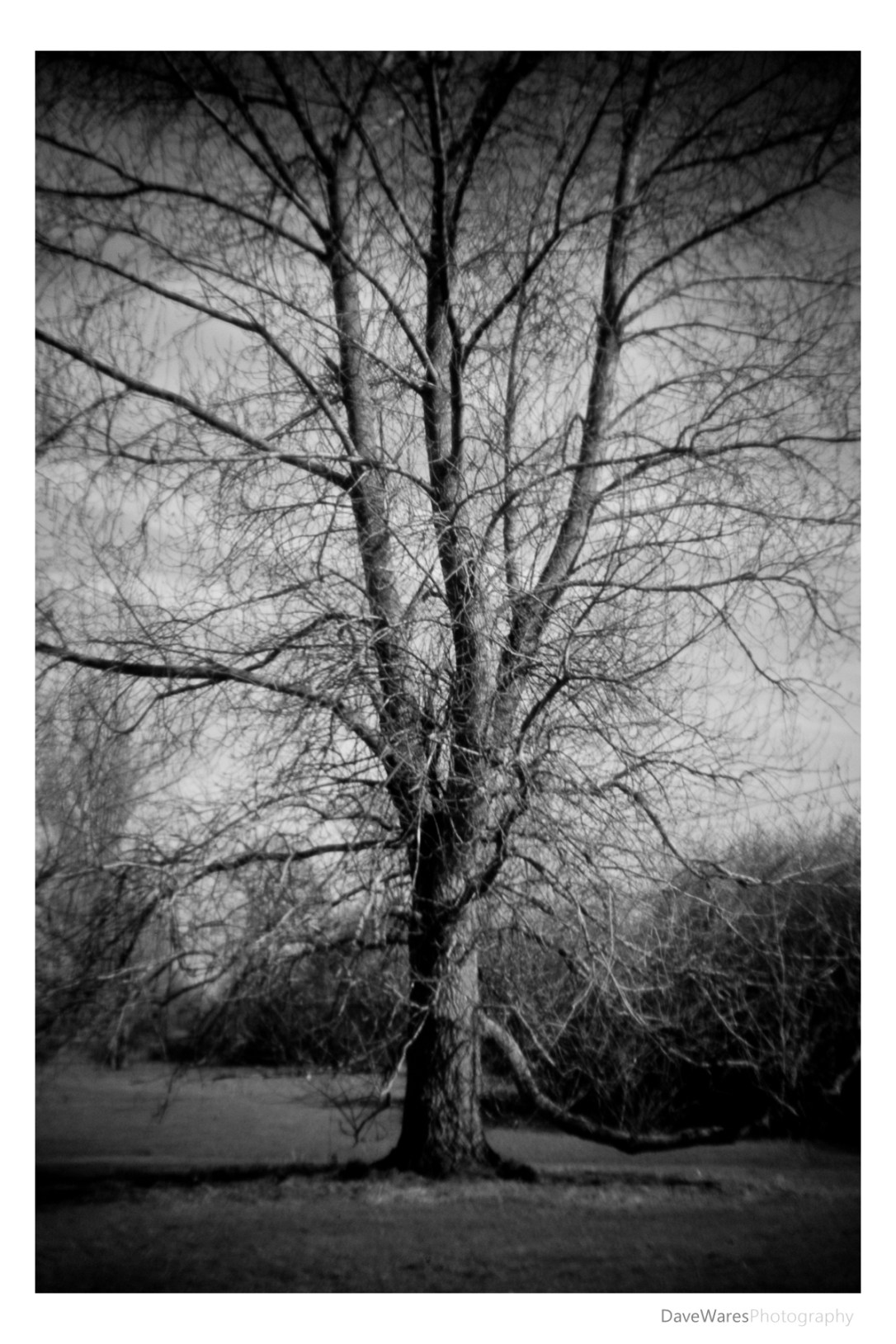
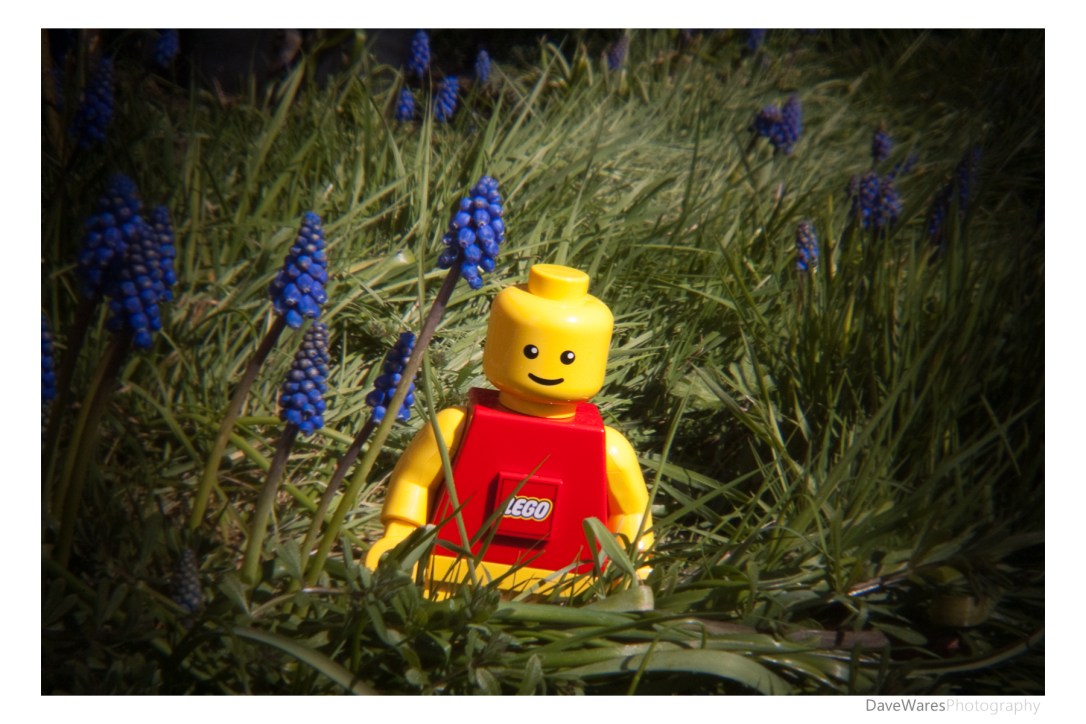
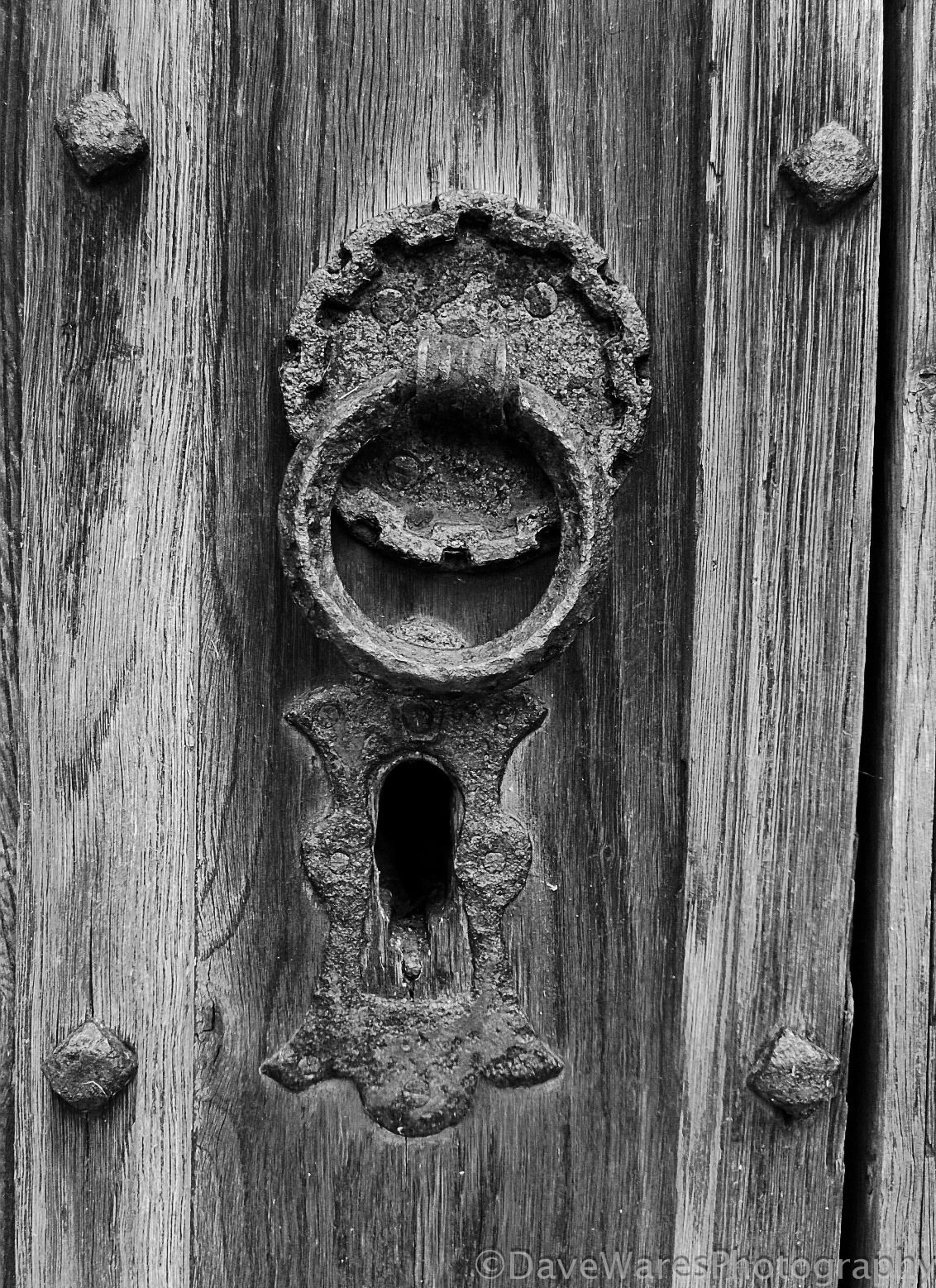
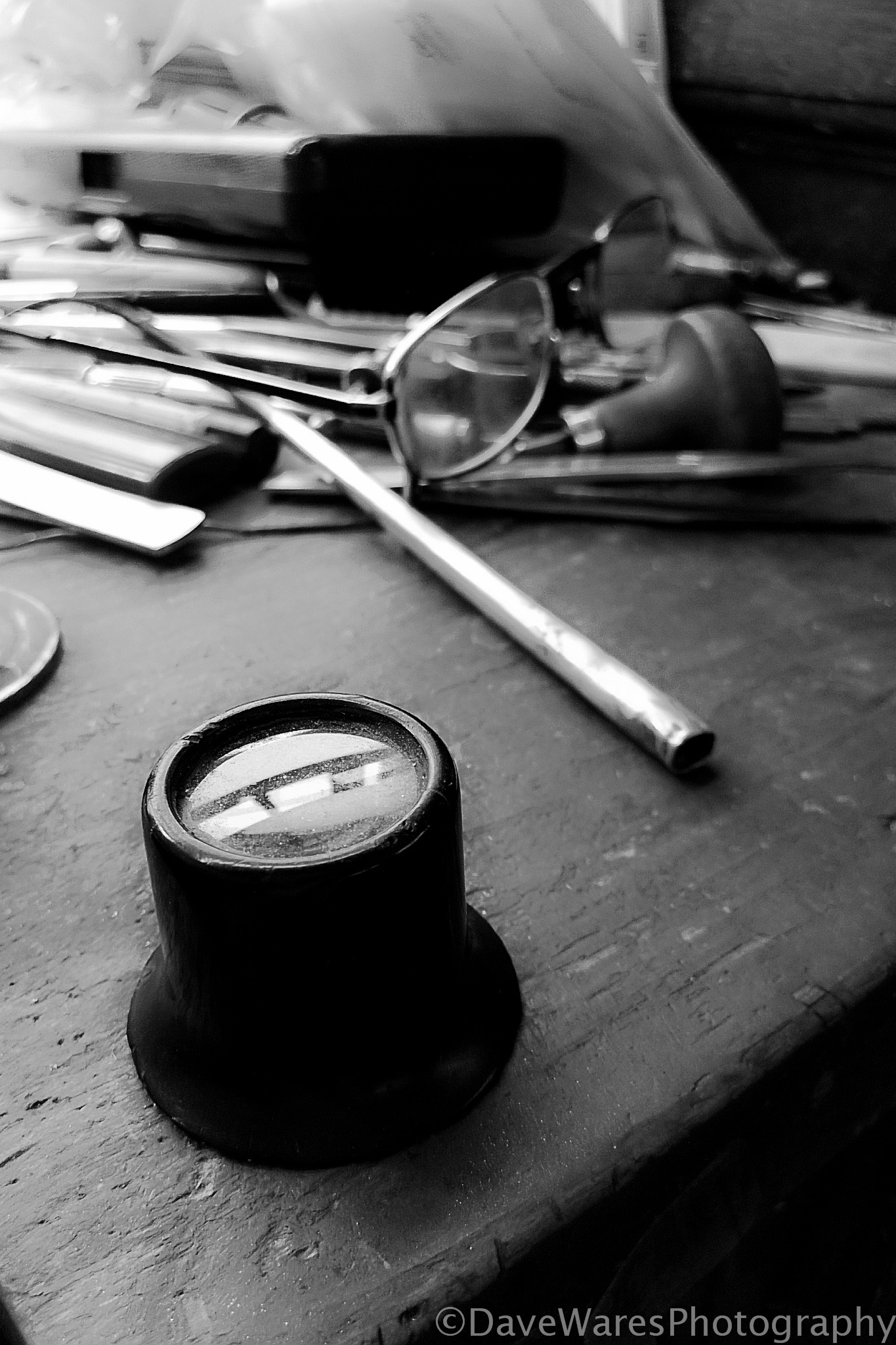
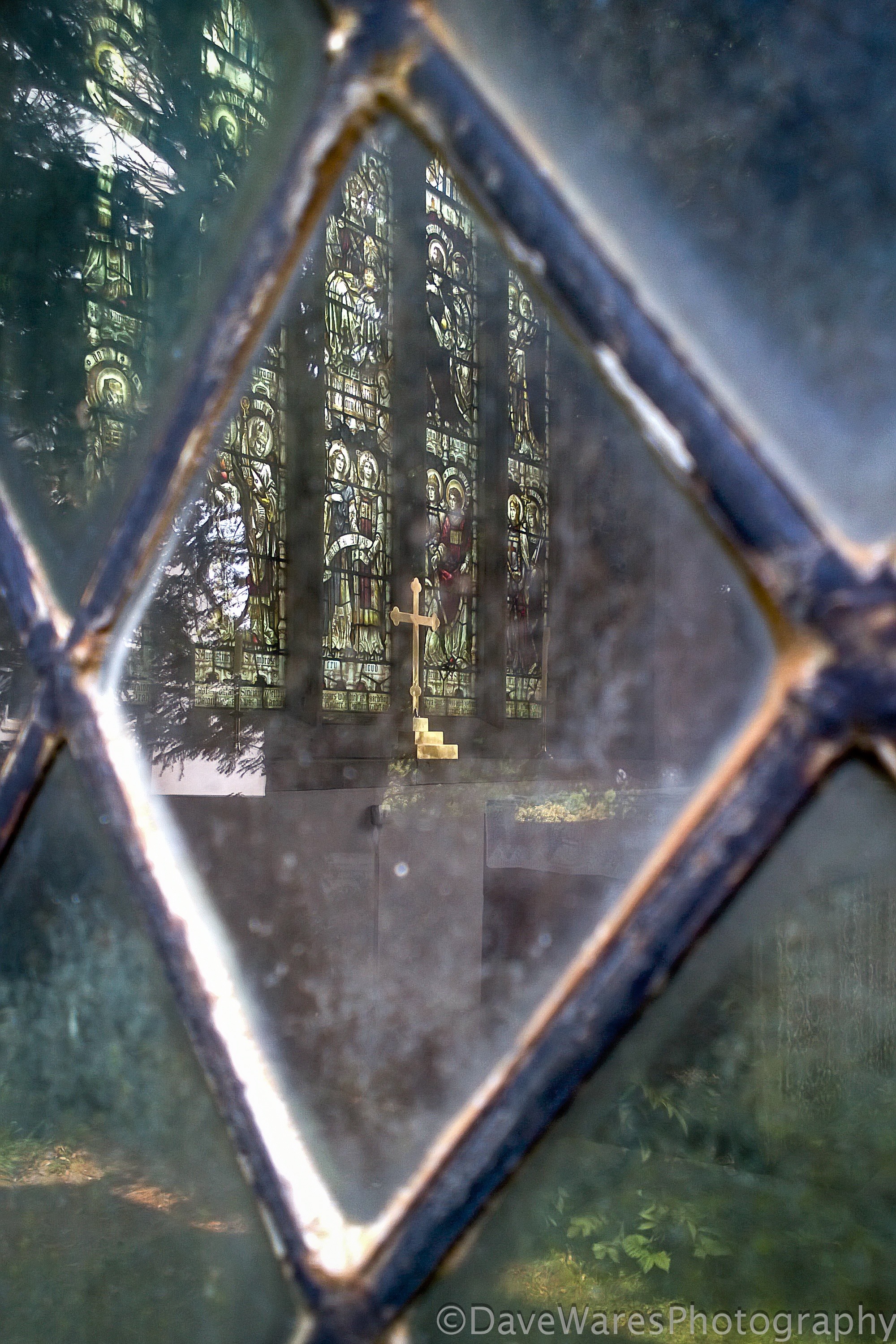
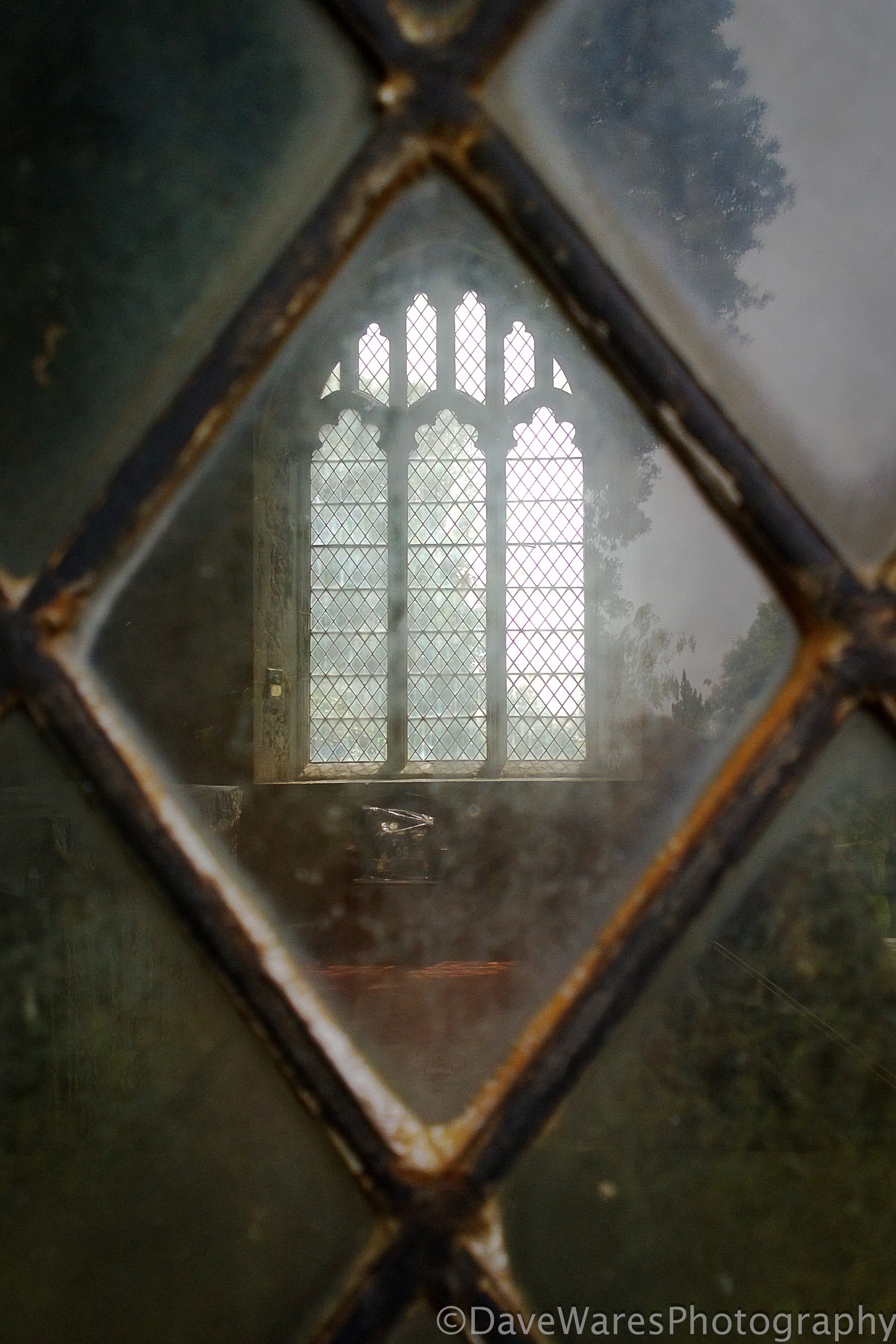
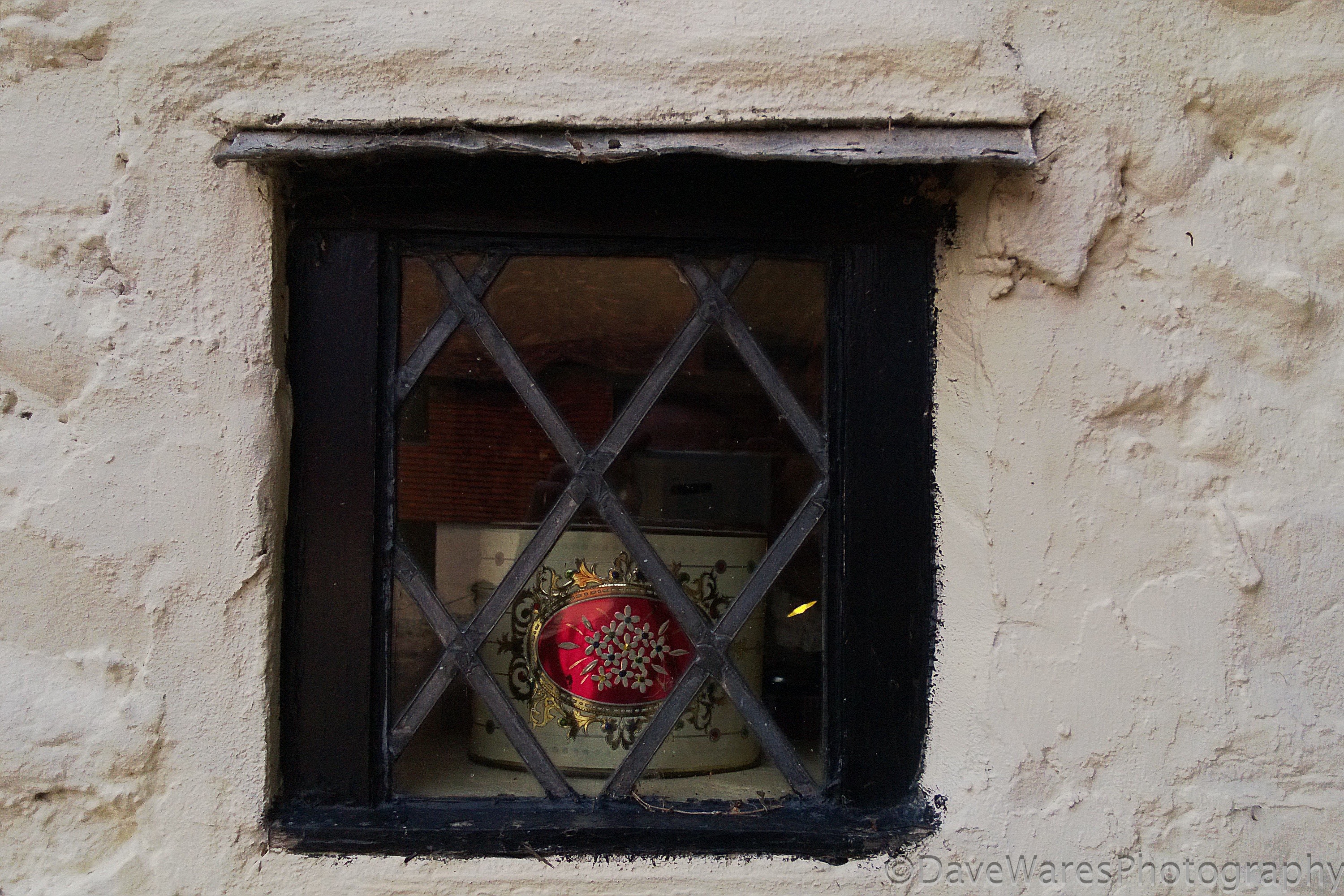
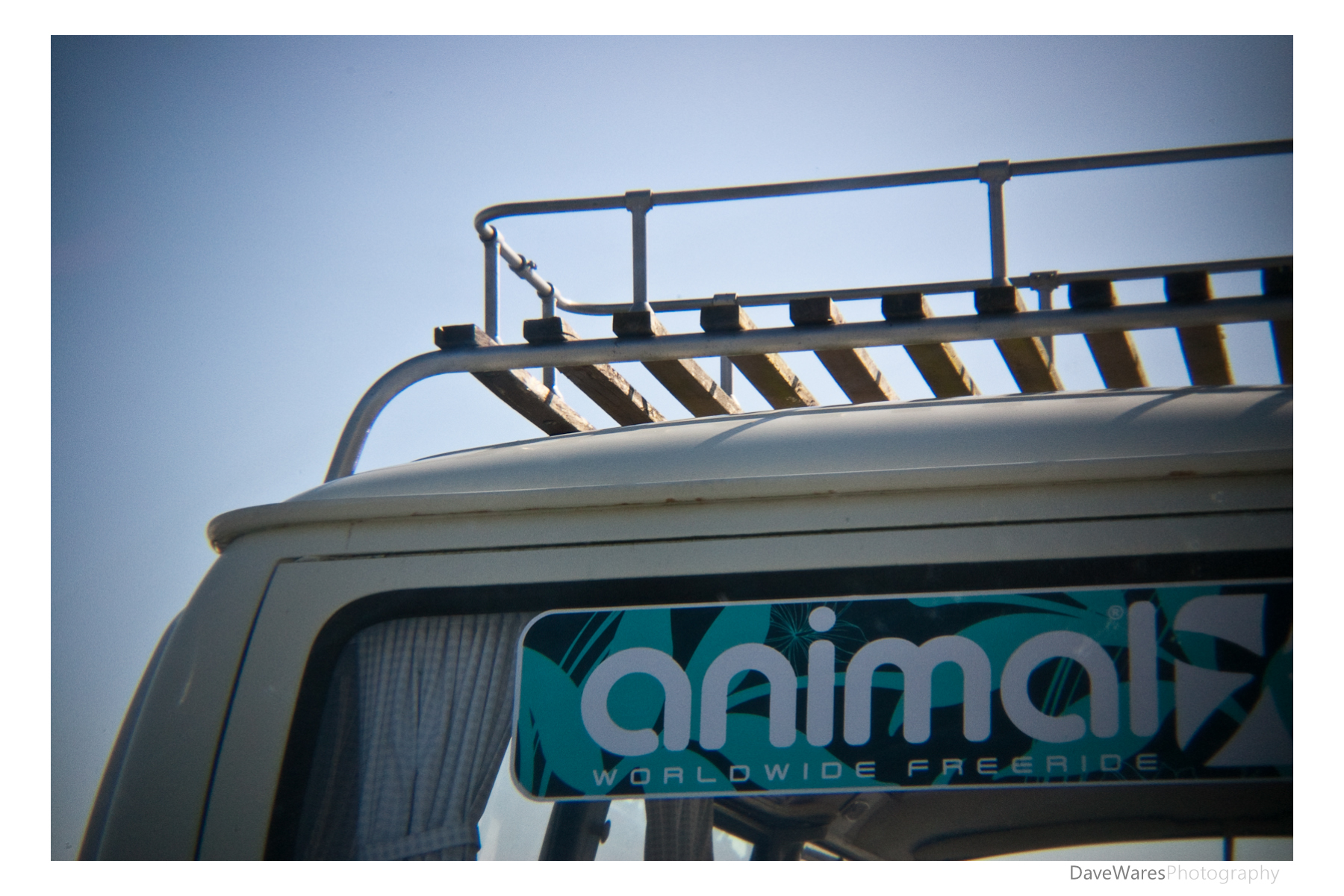
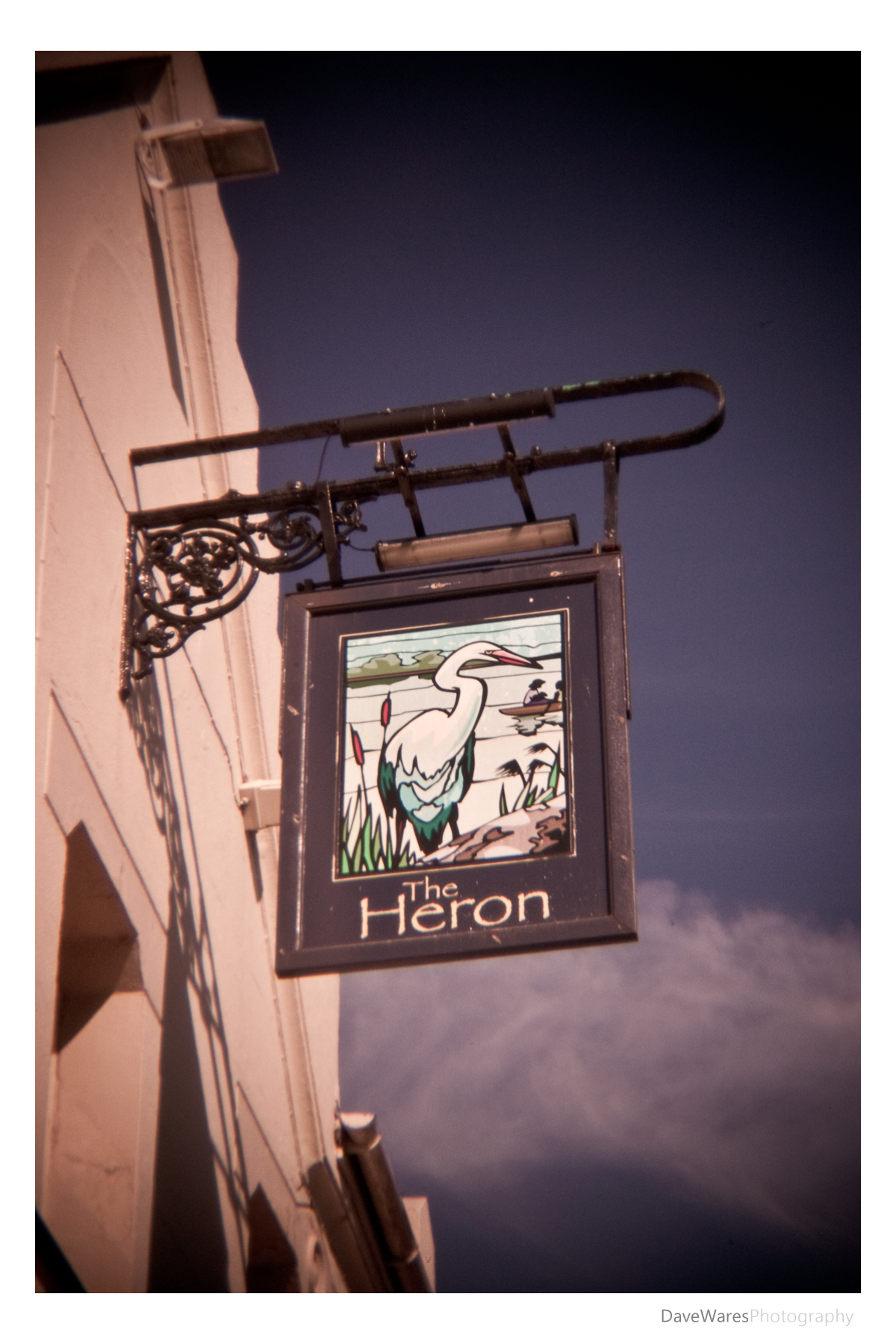
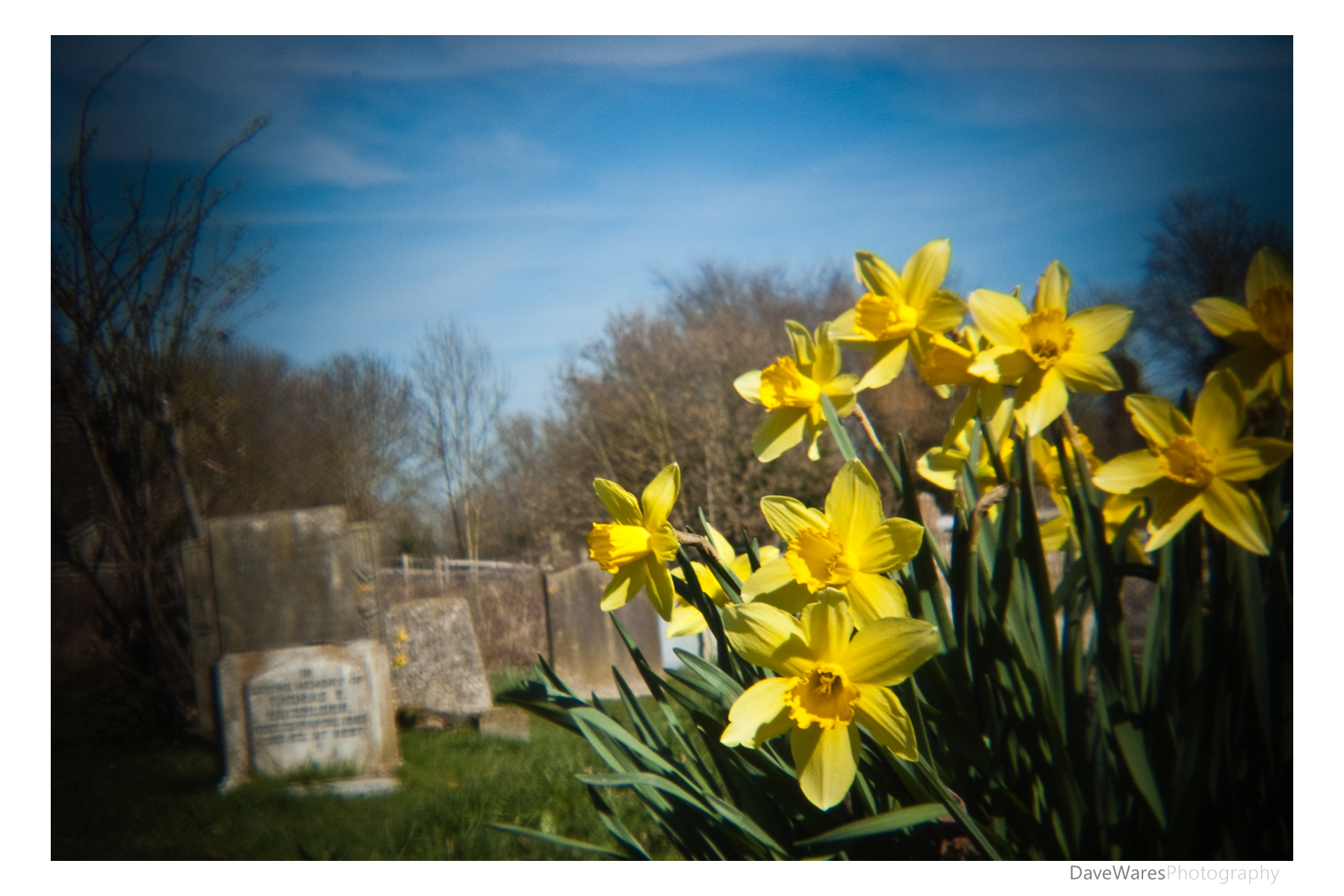
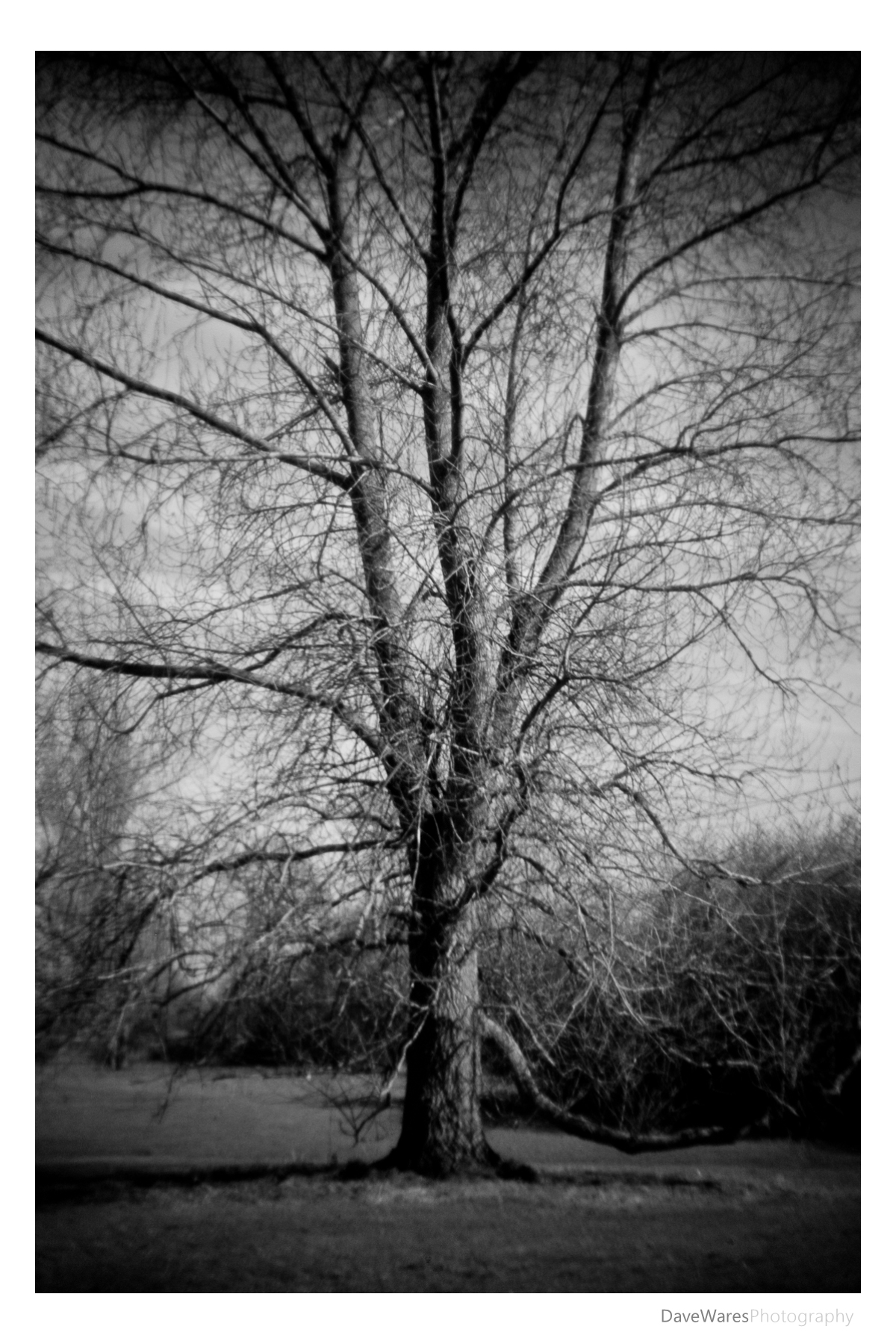
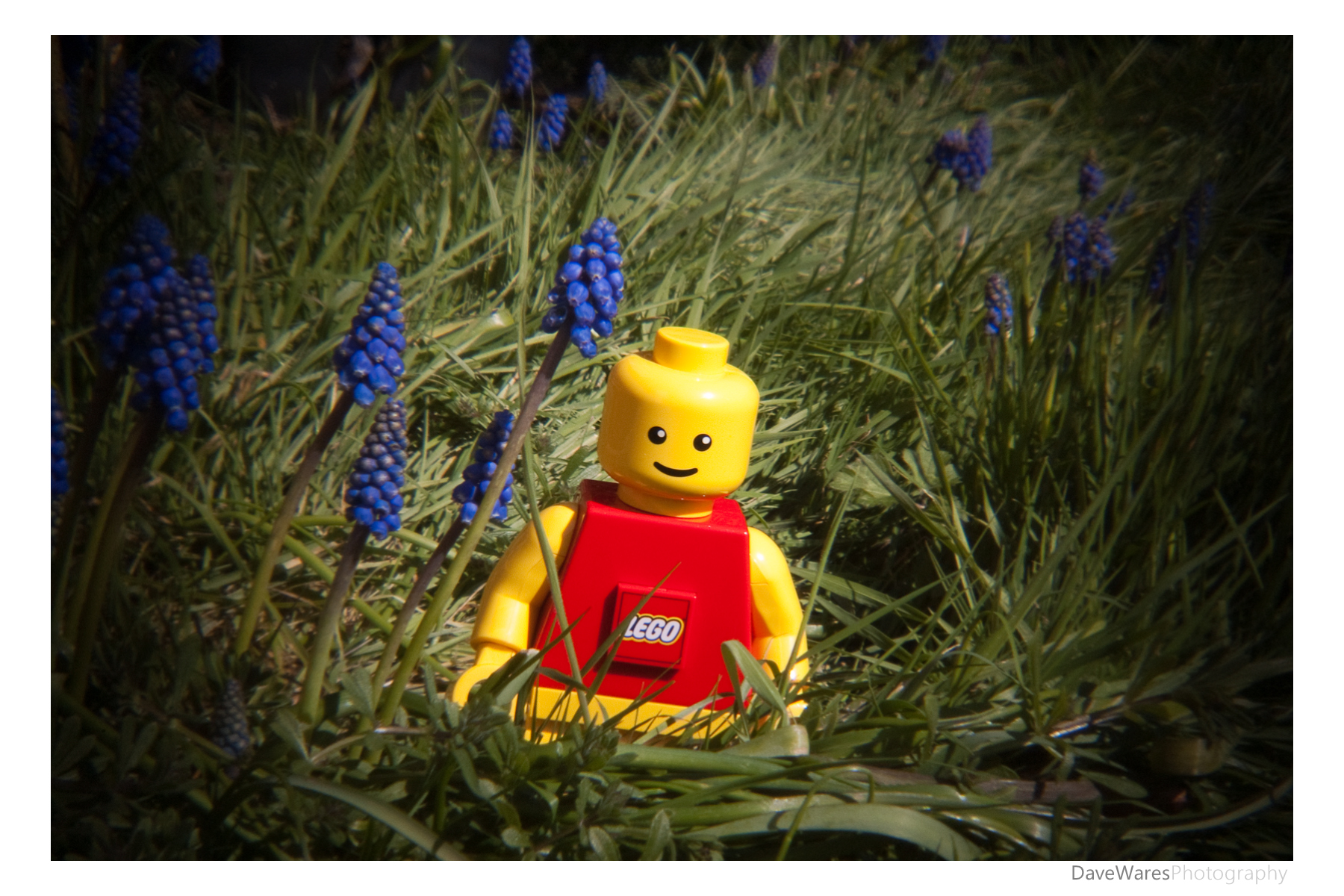
As of yet I have not had a proper chance to get out and about with it, but I did manage to grab a few minutes during my lunch break to take some test shots to give you a flavour of what this lens produces. As you can see, the traditional Holga trademark look is still there, the only thing you wont get is the light leaks produced by the cheap construction of their film cameras.
All in all this lens is a great compromise for those not wanting to go down the film route, and if soft and heavily vignetted photographs is something that appeals to you then there really is no reason not to get one. It costs around $30US with P&P making this about £18.50ish in my money. Bargain!
 Happy Shooting.
 Dave Wares